The hook
A roof’s lifespan depends far less on the shingles themselves than on how they’re installed and then maintained. Two identical roofing materials, installed one to professional standards and one cut-corner, can deliver a 15-year difference in actual service life. This matters because roof failure cascades: water enters, wood rots, attics suffer, and a $300 repair opportunity becomes a $3,000 problem before anyone notices. We’ve watched neighborhoods where every street looks identical but some homes’ roofs last twice as long as others on the same block—not because of luck or shingle luck, but because someone paid attention to installation.
The evidence, laid out
| Installation Approach | Material Lifespan | Maintenance Required | Storm Resilience |
|---|---|---|---|
| Budget (cheapest labor, standard materials) | 15–18 years, often less | Annual inspections, frequent repairs after year 5 | Vulnerable to wind uplift; poor flashing detail |
| Standard (NRCA guidelines, quality labor) | 20–25 years | Biennial inspection, targeted maintenance | Wind-rated fastening; proper deck attachment |
| Premium (FORTIFIED standard, experienced crew) | 25–30 years | Every 2–3 years; mostly preventive | Ring-shank fasteners, sealed deck, reinforced edges |
| Note: These ranges assume temperate climate and routine gutter maintenance. Severe weather (hail, wind gusts >90mph) can compress timelines; proper installation delays that compression by 5–10 years in most cases. | |||
The pattern holds across three dimensions: lifespan, maintenance burden, and how well a roof weathers a storm. The difference between budget and standard isn’t the shingle brand—it’s deck attachment, flashing overlap, and nail placement. Those details cost almost nothing extra to do right, but cost everything to do wrong. When a contractor uses four fasteners per shingle instead of one, seals the flashing overlap with sealant instead of hoping gravity holds it, and uses ring-shank nails that grip better than smooth ones, the roof becomes what insurance companies call “resilient.” That’s not marketing: it’s structural difference you can measure.
The counter-case, fairly put
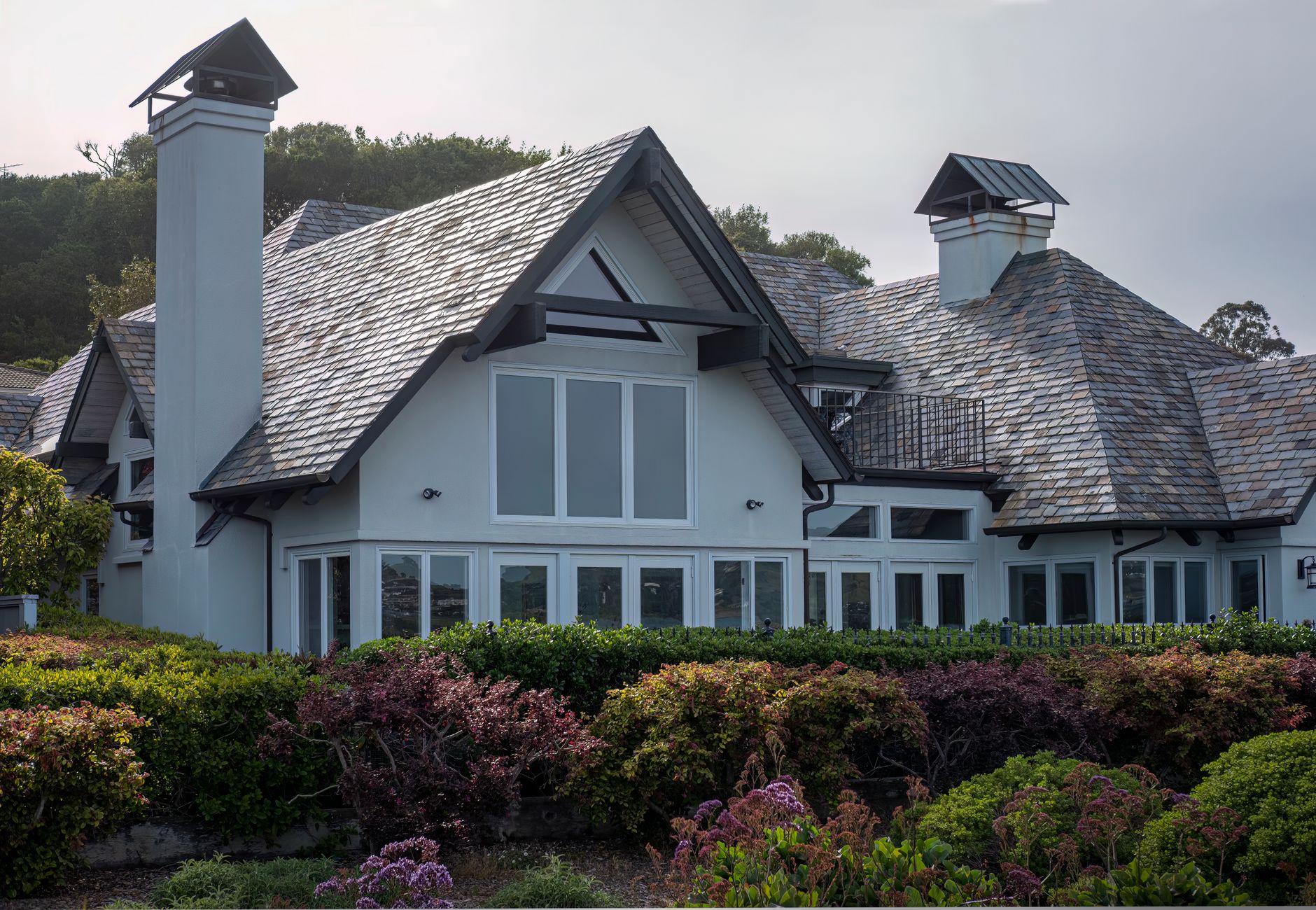
This reasoning has weight: if cash is tight, a fifteen-year roof that works until it doesn’t beats a twenty-five-year roof you can’t afford. The counterpoint isn’t that this homeowner is wrong to budget—it’s that they’ll often pay more total dollars over time because emergency repairs cost double and water damage costs triple. A roofer called mid-storm for a leak isn’t available for a planned job; they’re doing triage, and triage prices run 50% above scheduled work. Water that sits in decking for two weeks before anyone notices costs more to remediate than water caught in two days. Insurance occasionally helps; the FORTIFIED standard qualifies for insurer discounts in many states, which can narrow the upfront gap to $2,000 instead of $3,000 over time.
The takeaway

Why installation standards matter
The National Roofing Contractors Association publishes detailed installation guidance precisely because the difference between good and poor installation is invisible until it leaks. Contractors who follow NRCA standards document their work—and if they don’t, that’s information too. When you ask a contractor whether they follow NRCA guidelines for deck attachment and flashing, the answer tells you whether you’re paying for a roof or a hope. A contractor who knows the standard can show you the fastening pattern, explain why sealed flashing matters, and point to past jobs that have survived storms. One who hasn’t studied it will talk about shingle color and price. That conversation happens before any work starts, and it costs nothing to have.
What this looks like in practice
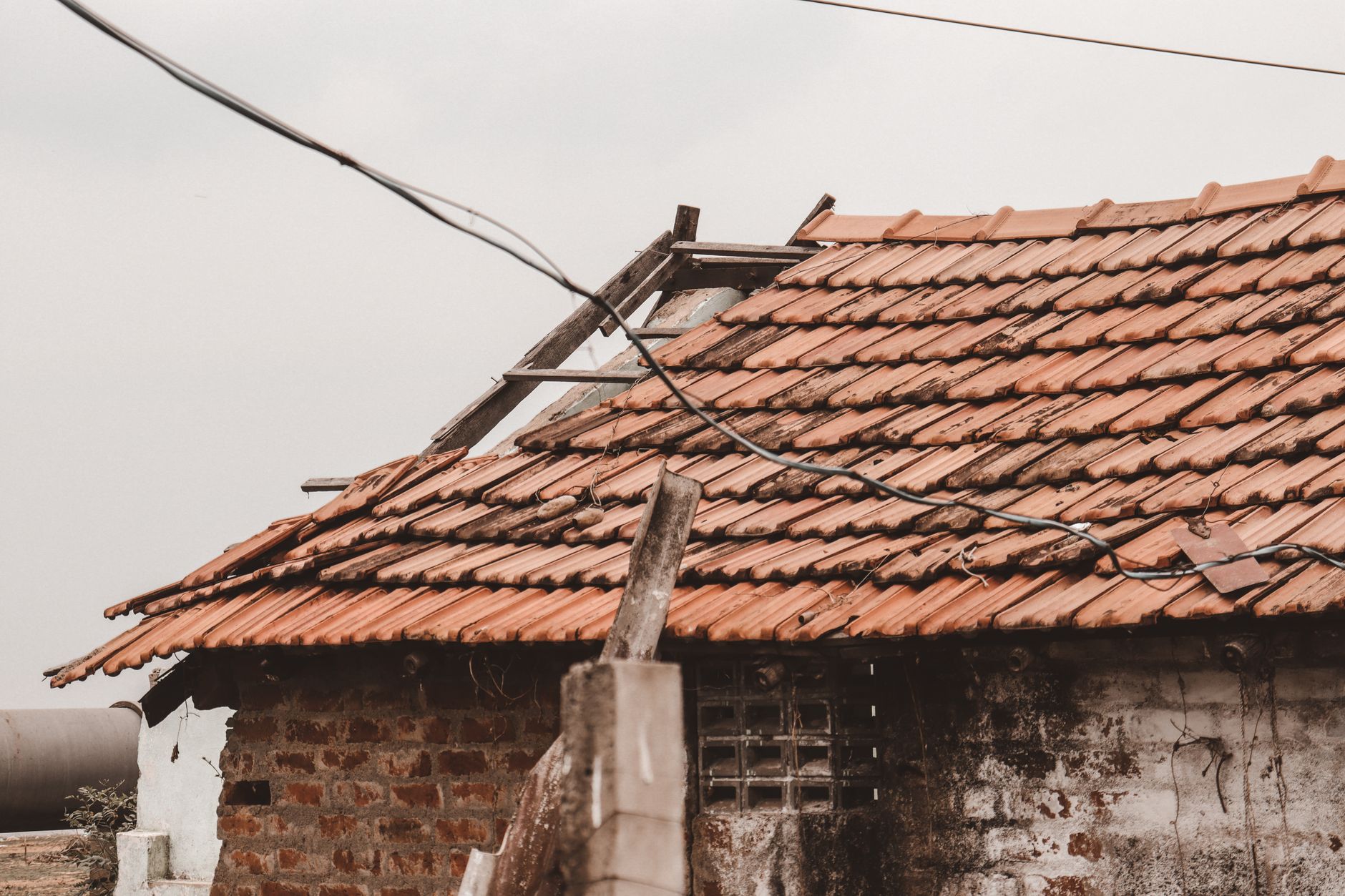
A properly installed roof catches a storm and holds. A budget installation catches the same storm and starts to fail at the edges, where deck attachment and flashing haven’t been sealed—the water finds a gap and the damage spreads into the plywood, rafters, and insulation. By the time the interior leak appears, the repair cost has jumped from “fix the shingles” to “replace the roof plus frame repair.” The storm is the same in both cases. The installation makes the difference. Water that gets into the attic insulation matures into mold within weeks. Mold remediation, once it’s systemic, requires removal and replacement—not a surface cleaning. A single installation mistake, invisible when the shingles go down, becomes a five-figure bill years later.
A worked example
Additional resources
This Old House’s roof maintenance guide covers the checklist we point neighbors to before they call anyone: debris, gutters, moss, and catching small damage early. Prevention is cheaper than emergency repair, and a maintained roof that was installed to standards will outlast one that wasn’t, regardless of maintenance.