These are the questions we hear most often from community members thinking through a roofing decision. We’ve grouped them by what matters: contractor trust, technical standards, and what happens next. If your question isn’t here, call us—it probably means others are wondering too.
- How can I tell if a roofing contractor is trustworthy?
- Start with licensing and insurance, then check for complaints through your state licensing board and the Better Business Bureau. The Better Business Bureau’s guidance on hiring a roofing contractor covers what a legitimate written estimate looks like, how to read insurance paperwork, and how to spot a storm-chaser scam. Trustworthy contractors will provide references and explain their warranty in writing.
- What standards do reputable roofers actually follow?
- The National Roofing Contractors Association publishes the installation and maintenance guidance the trade is built around. This includes specifications for deck attachment, flashing, ventilation, and what proper workmanship looks like. It also covers what homeowners should expect after storm or hail damage. Ask your contractor whether they follow NRCA guidelines—reputable ones do.
- Is there a warranty I should ask about?
- Yes, there are two separate warranties. Material warranties come from the shingle manufacturer and typically run 15–30 years depending on the product grade. Workmanship warranties come from the contractor and typically run 5–10 years. Get both in writing. Understand what they cover and what they don’t—not all water damage is treated the same, and manufacturer warranties often don’t cover installation errors.
- How long should I expect the work to take?
- Most residential roof replacements take 3–7 days depending on roof size, complexity, and weather. The timeline also depends on how much damage is found once the old roof comes off—sometimes the decking underneath needs repair, which adds time. A contractor should give you a realistic range and explain what factors might extend it. Weather delays are normal; schedule the work during dry season if you can.
After a Storm
Document damage with photos showing the date stamp and wide shots of problem areas. Take close-ups of missing shingles, flashing damage, and gutter issues. These photos become evidence for your insurance claim and help contractors understand the full scope without climbing the roof multiple times.
How to Work Through It Yourself
Call your insurance agent first, not the contractor. Your agent will guide you through the claim process and may send an adjuster to inspect the damage. Once you have that report, request detailed written estimates from your top three candidates. This order matters: insurance timelines can be strict, and you want the inspection data before contractors show up. Contractors who appear before you’ve filed a claim are sales teams, not partners in the process.
Timeline Matters
Most insurance carriers give you 90 days from the date of loss to file a claim. Don’t wait past that window—your claim can be denied if you miss the deadline. Once you file, your adjuster usually inspects within a week. After that, you have the data you need to move forward with repairs.
The Contractor Conversation
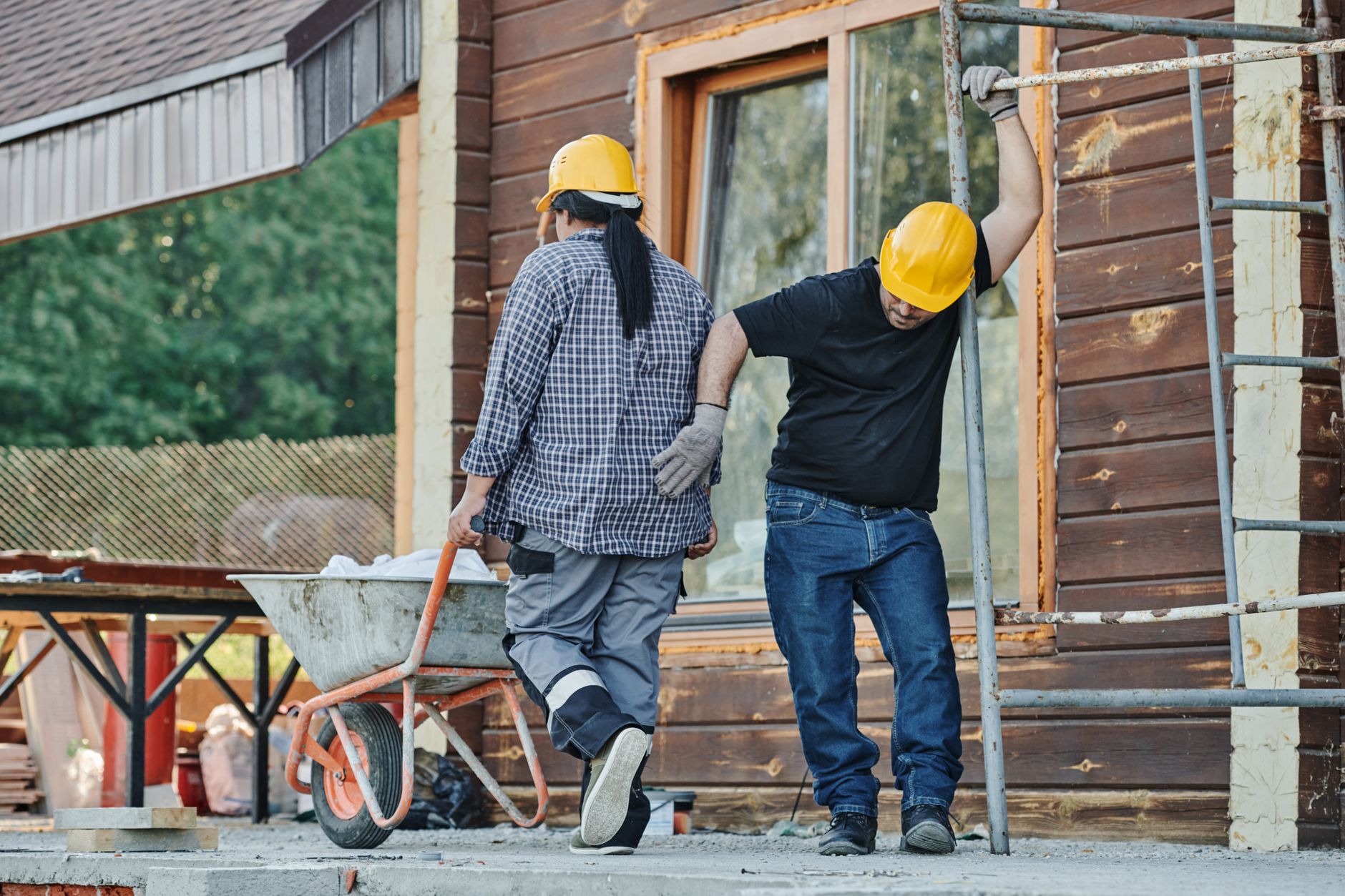
Bring your inspection photos and the insurance adjuster’s report to your contractor interview. Ask what they’d do differently from the adjuster’s scope, why, and what the additional cost would be. A good contractor will walk through their reasoning without pressure. They’ll explain material choices, installation method, and warranty details. If they can’t or won’t, you’ve learned something important: this isn’t the team you want on your roof.
“We called three roofers and got three totally different estimates. How do we know which one to trust?”
Where These Questions Come From
Insurance Claims Processing
The overlap of coverage, deductibles, claim deadlines, and who pays for what creates lasting confusion for homeowners navigating the system. An adjuster’s scope might differ from what the contractor recommends, leaving homeowners uncertain about what’s actually necessary.
Estimate Comparisons
Different contractors use different materials and methods. One might bid architectural shingles while another bids standard asphalt. One might include ventilation upgrades; another might not. The price gap feels random until you understand what’s different in each estimate.
Contractor Credentials
Licensing, bonding, insurance requirements, and trade certifications vary by state and county. There’s no single national standard, making contractor comparison harder than it should be. Some states license roofers; others don’t. This creates a trust problem that goes to the foundation.
Quality Concerns
Storm chasers and quick-flip repair shops created lasting skepticism about roofing contractors in the community. A contractor who appears after a disaster and leaves after payment has shaped how people think about the entire trade. That’s why verification matters.